When people hear the word accessibility, they often think first about ramps, lifts and physical access. These are essential, but accessibility in the arts is much broader.
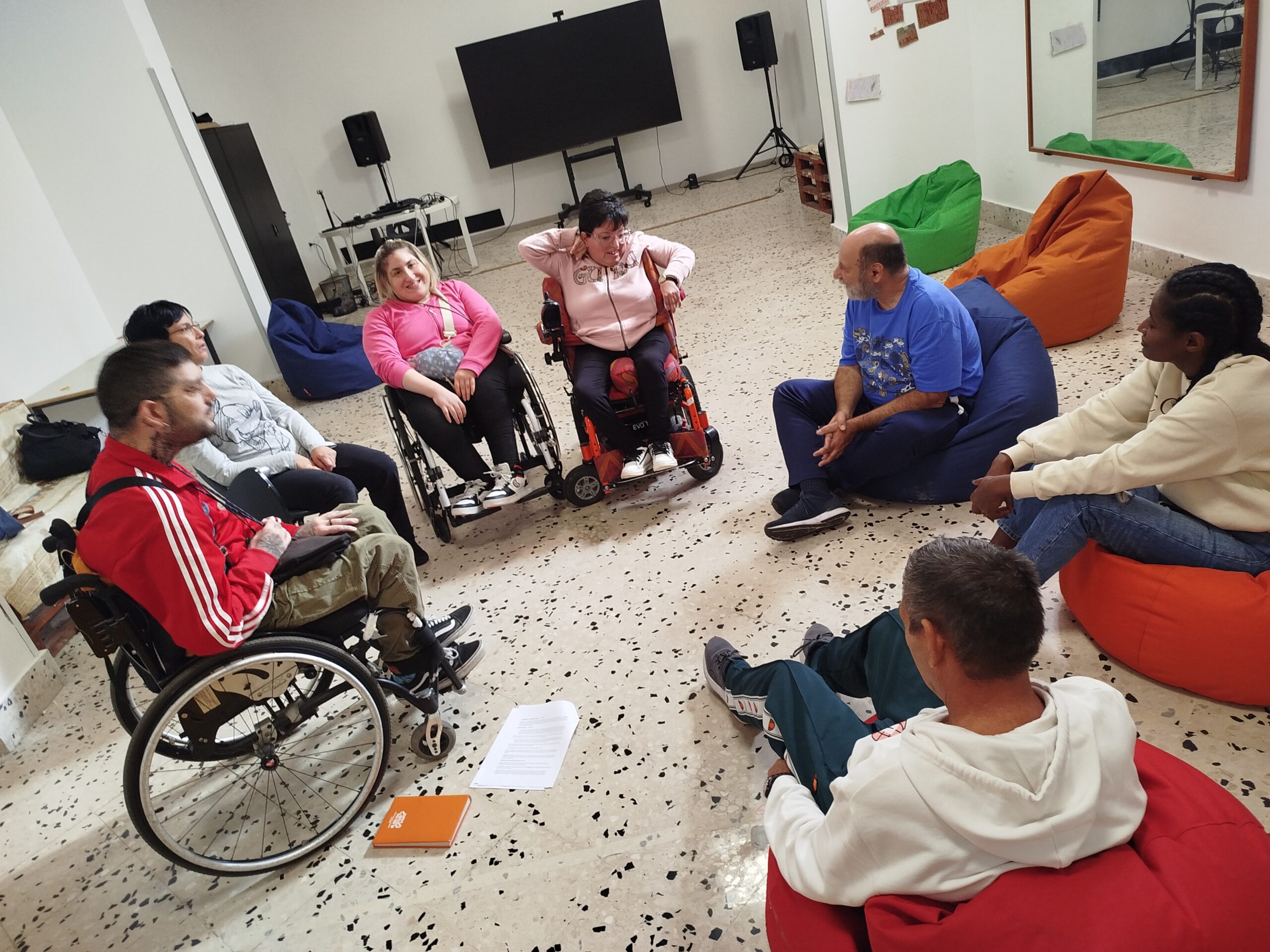
An inclusive art space needs to consider how people receive information, understand instructions, move through a space, participate in activities and communicate with others. It also needs to consider whether people feel that they actually belong there.
For artists with intellectual disabilities, these questions can be especially important. A cultural institution may be physically accessible but still difficult to navigate because information is complicated, instructions are unclear or staff do not know how to communicate effectively.
ArtElevate’s work highlights accessibility as part of meaningful participation rather than as an additional feature added at the end. The project focuses on accessible learning, mentoring, artistic participation and connections with cultural institutions.
An inclusive space can begin with very practical questions. Is the information easy to understand? Are people given enough time? Can instructions be communicated in different ways? Is there someone available to provide support? Can participants make choices about how they engage?
But inclusion also has an emotional dimension.
Do people feel welcome?
Do they feel that their presence is expected rather than tolerated?
Do they see other people like themselves represented in the space?
These questions matter because cultural participation is not only about physical entry. Someone can technically enter a gallery and still feel that the gallery was not designed with them in mind.
For cultural institutions, becoming more inclusive therefore requires reflection on the whole visitor and artist experience. It can involve staff training, accessible communication, programme design, partnerships with disability organisations and direct engagement with people with disabilities.
It also means involving people with disabilities in conversations about accessibility. Institutions should not assume that they already know what everyone needs.
ArtElevate’s approach is based on the idea that inclusion should become part of mainstream cultural practice rather than remaining limited to separate programmes.
An inclusive art space does not necessarily look completely different from any other cultural space.
The difference is that more people can enter it, understand it, participate in it and see themselves as belonging there.