An inclusive cultural ecosystem cannot be built by artists alone.
Artists need opportunities, but they also need mentors, cultural institutions, audiences, networks and spaces where their work can develop and be seen. Mentors need knowledge and resources. Institutions need ways to connect with artists and understand different approaches to inclusion. Audiences need opportunities to encounter new artistic voices.
ArtElevate was created around this idea of connection.
The project brings together partners from Slovenia, Denmark and Italy and combines artistic workshops, mentor education, a digital platform, artistic visibility, cultural events and policy work. Its aim is not simply to organise a series of activities, but to create connections that can continue beyond the project itself.
The online platform is an important part of this ecosystem. It provides a space where artworks and artist stories can be presented, while also offering educational resources for mentors and opportunities for learning and networking.
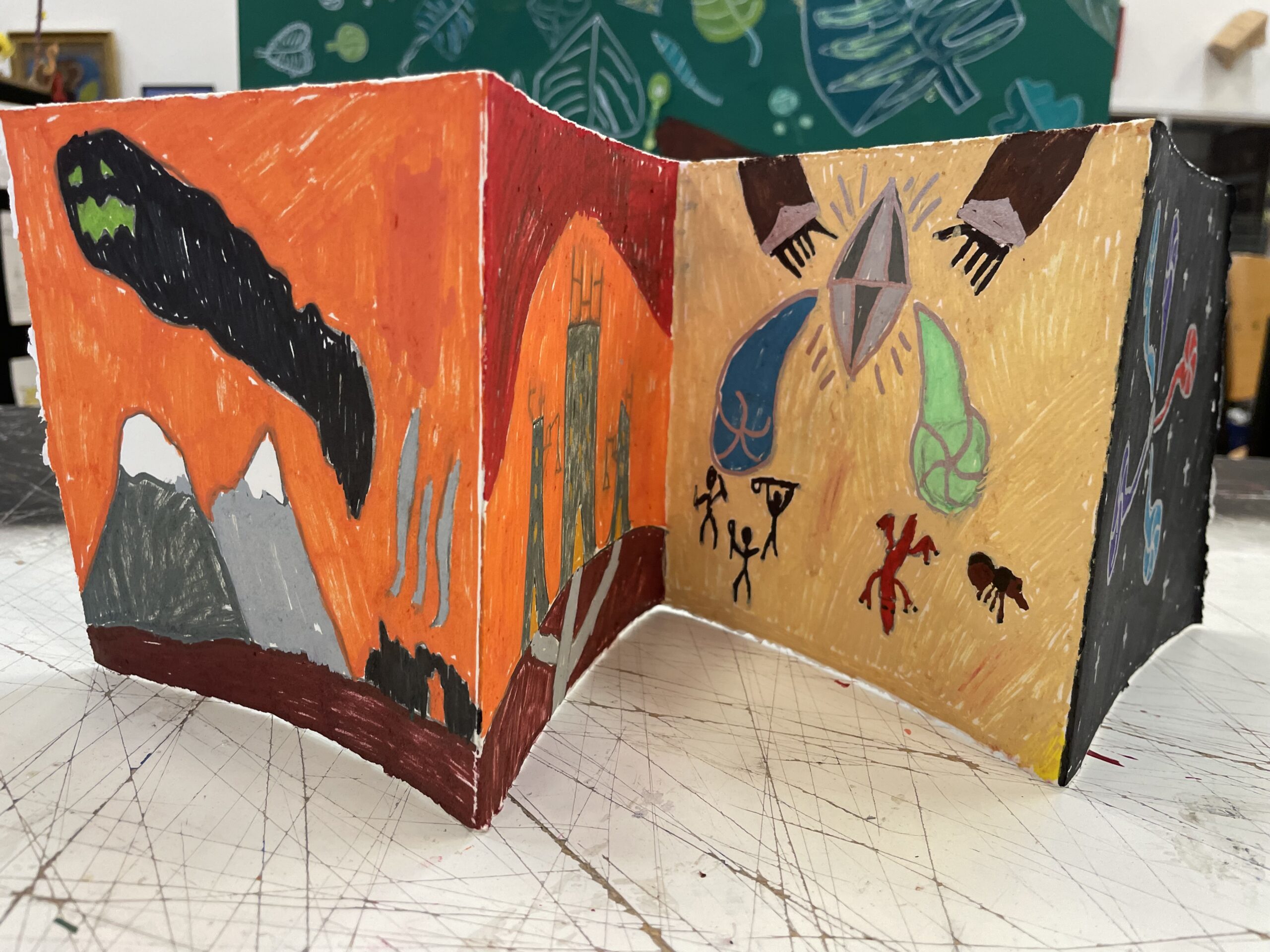
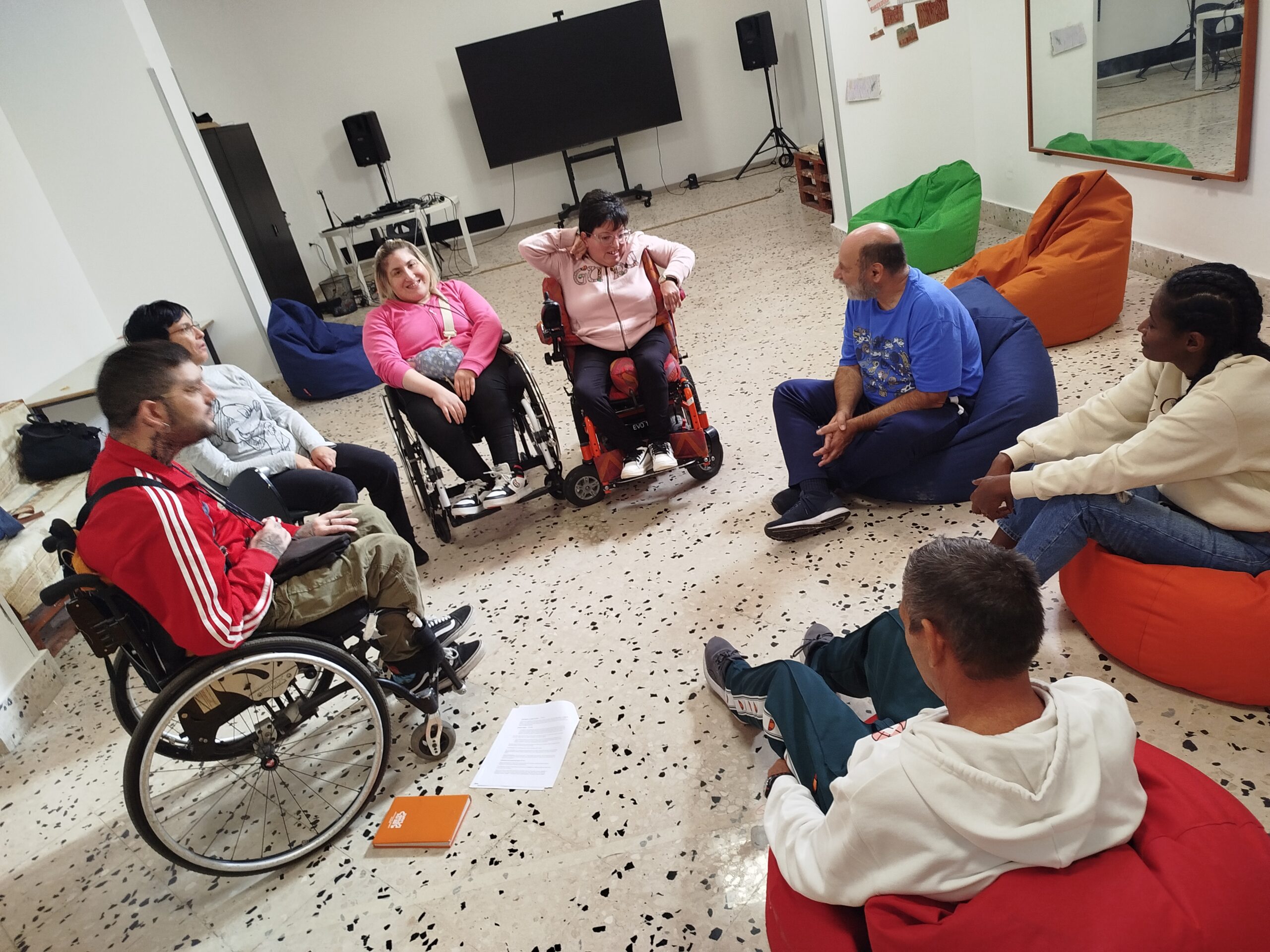
The workshops create another layer. Artists work with mentors and develop creative projects in film and video, visual arts and performance. The process gives participants opportunities to experiment, develop artistic skills and create work that can be shared with wider audiences.
The mentors are another important part of the picture. By strengthening their competences, ArtElevate aims to create a wider pool of people who can support artists with intellectual disabilities in meaningful artistic environments. The project’s long-term plans include maintaining mentor resources and a European network of trained mentors.
Then there are cultural institutions and audiences.
Their role is not simply to receive the final products of a project. They are part of the environment in which artists become visible and develop professional opportunities. Partnerships with cultural organisations can open doors to exhibitions, performances, events and further collaborations.
This is why inclusion cannot be reduced to one workshop, one exhibition or one campaign.
It is about relationships.
When an artist meets a mentor, a mentor connects with an institution, an institution opens a space to an artist and an audience encounters new work, something begins to change. Each connection creates another possible pathway.
ArtElevate’s longer-term ambition is therefore not to create a temporary moment of inclusion, but to contribute to a cultural ecosystem in which these connections can continue.
Because the question is not only who gets to make art.
It is also who gets to be seen, who gets to participate, who gets to develop, and who gets to belong in the cultural landscape.