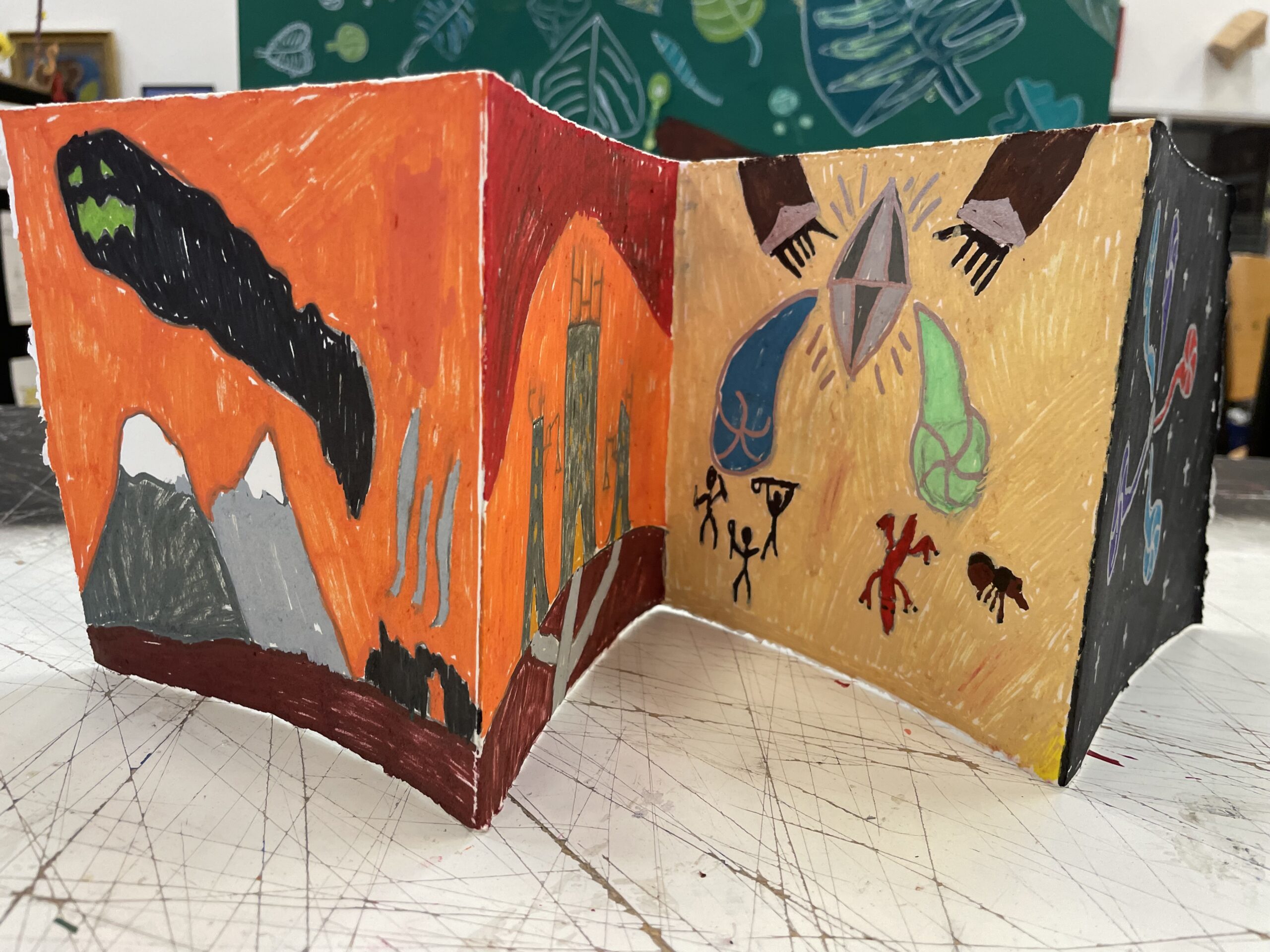
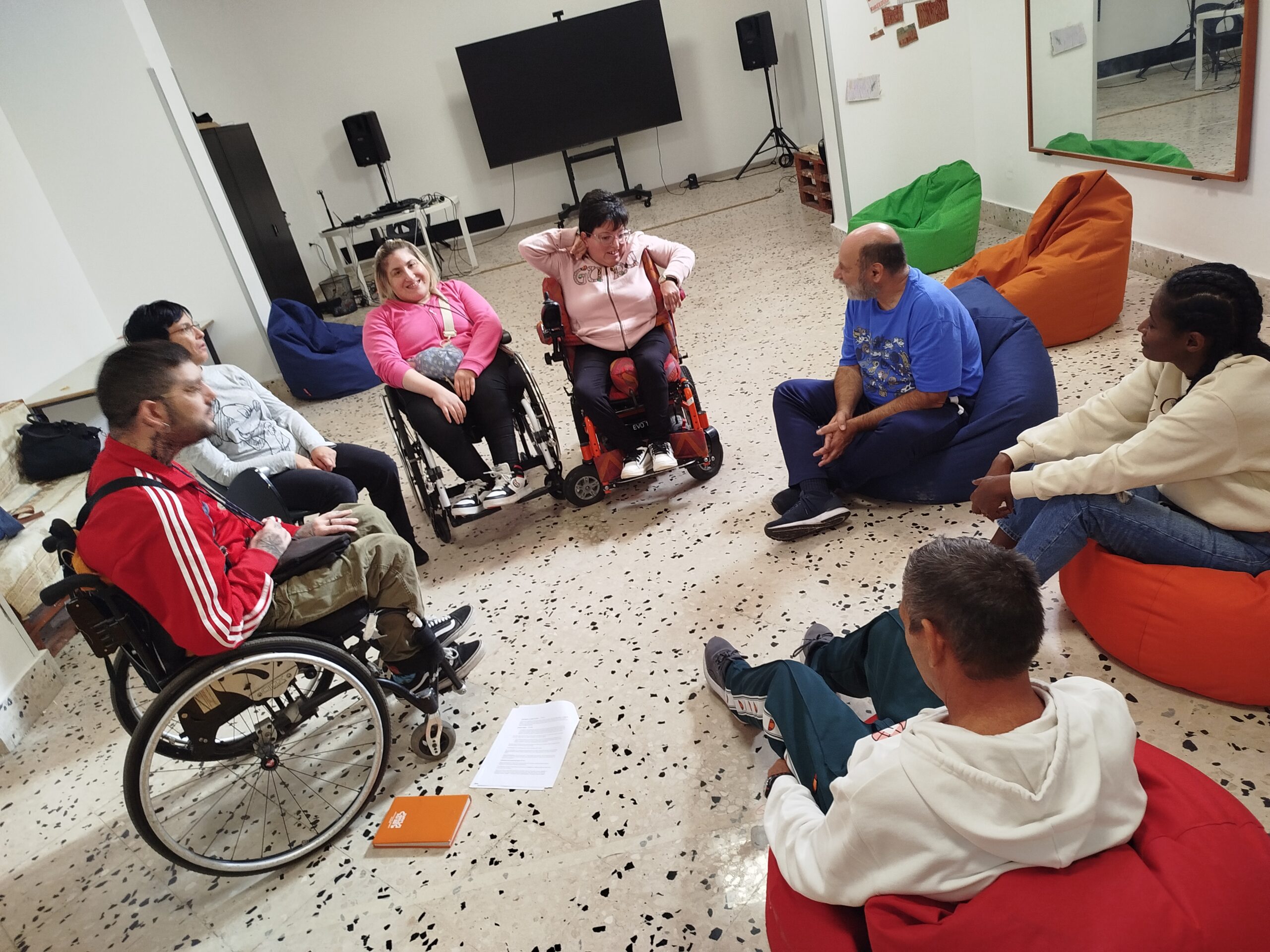
Specialised programmes can play an important role in creating opportunities for artists with disabilities. They can provide support, accessible environments, mentors and spaces where artists can develop their work.
But if artistic opportunities remain exclusively within specialised settings, a separation can continue.
This is one of the central questions raised by ArtElevate: how can artists with intellectual disabilities become part of the wider cultural ecosystem rather than being visible only within disability-specific programmes?
The project’s policy recommendations argue for inclusion within mainstream cultural structures, including open calls, funding opportunities, education, exhibitions, festivals and professional networks.
The distinction is important.
A separate exhibition for artists with disabilities can create visibility. But if artists are never included in broader exhibitions, the separation remains.
A specialised workshop can provide valuable artistic development. But if participants have no pathway towards wider cultural opportunities, development can stop at the workshop.
An inclusive cultural system needs both support and connection.
This means that mainstream institutions may need to change some of their practices. Open calls may need accessible language. Application procedures may need to consider different communication needs. Staff may need training. Exhibition spaces may need to think differently about accessibility. Cultural organisations may need to build longer-term relationships with artists and organisations working in disability arts.
None of this means removing specialised expertise. Organisations that have spent years working with artists with disabilities have valuable knowledge and experience. The challenge is to connect that knowledge with the wider cultural sector.
ArtElevate’s partnership model reflects this approach. The project brings together organisations with different experiences and contexts across Slovenia, Denmark and Italy, combining artistic practice, mentoring, cultural work and inclusion.
Mainstream inclusion is therefore not about pretending that differences do not exist.
It is about ensuring that difference does not automatically determine where an artist is allowed to participate.
The long-term goal is a cultural landscape where artists with intellectual disabilities can choose whether to participate in specialised or mainstream contexts — rather than having the choice made for them.